Australian Veteran Advocacy
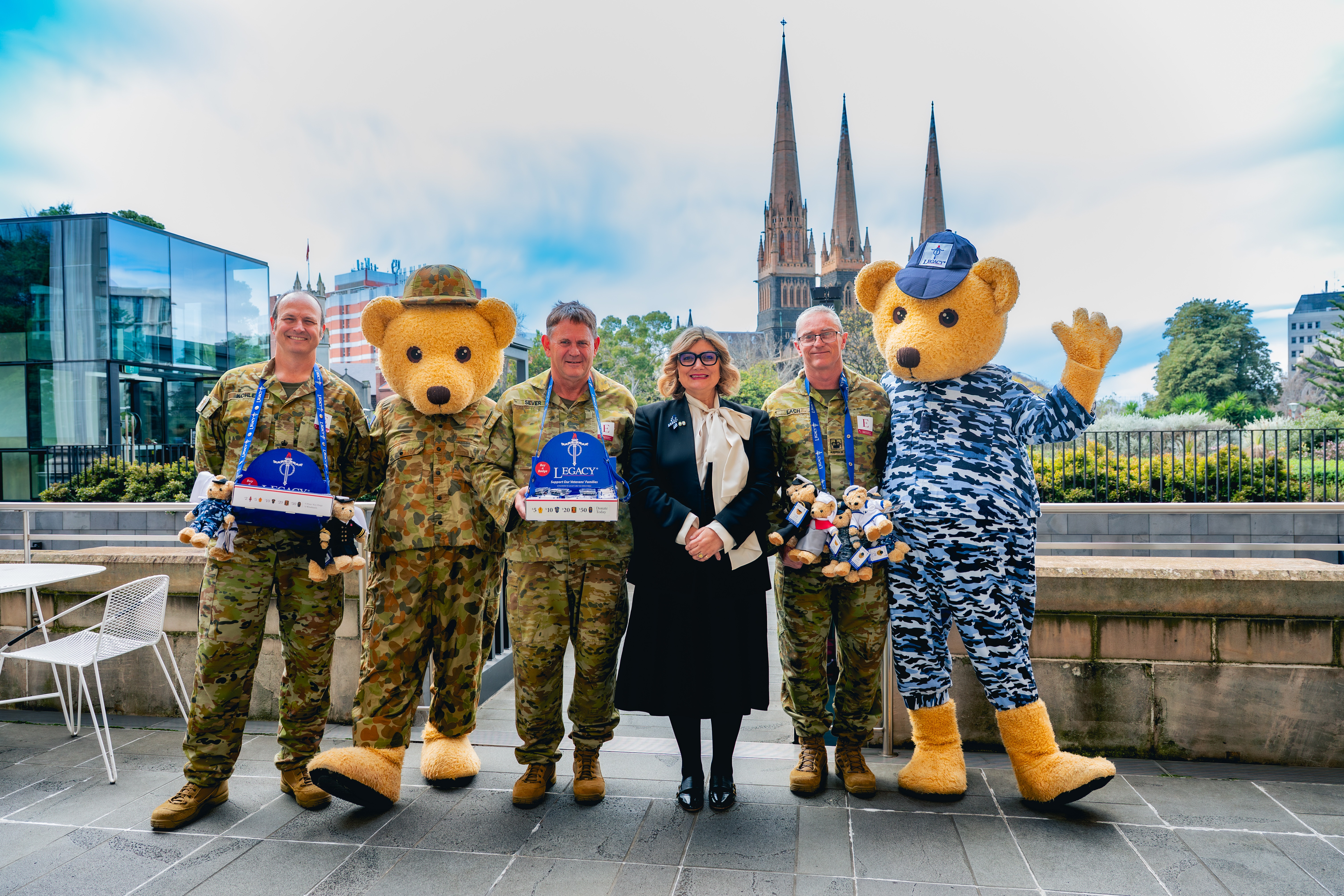
Supporting Australian veteran families through advocacy
Australian veteran advocacy plays a vital role in ensuring those who have served, and their families can access the support, entitlements and services they need to live well after service.
While much of the focus is often on veterans themselves, advocacy extends far beyond the individual to include:
partners,
children and
dependents who share the long-term impact of military life.
This is where Melbourne Legacy plays a critical role. Working in tandem with Veteran organisations, Melbourne Legacy is dedicated to supporting the families of veterans—ensuring they are cared for, connected, and empowered. Through advocacy and community programs Melbourne Legacy helps navigate complex systems such as healthcare, compensation, and wellbeing services.
Contact us if you need Melbourne Legacy to advocate for you.
What veteran advocacy means for Australian families
Veteran advocacy involves guiding individuals and families through systems such as the Department of Veterans’ Affairs (DVA), helping them access entitlements, lodge claims, and understand their rights.
For families, this support can be essential. Advocates often:
Assist with navigating DVA claims and benefits
Provide representation when dealing with complex or overwhelming processes
Help families access healthcare, education support, and financial assistance
Advocacy is not only about paperwork—it directly contributes to improved physical and mental wellbeing. When families feel supported and informed, they are better equipped to manage the challenges that can arise after military service.
Organisations like Melbourne Legacy complement formal advocacy services by focusing on the wellbeing and stability of veterans’ families, ensuring no one is left to navigate these systems alone.

The challenges many Australian veteran families face after service
Transitioning out of the Australian Defence Force (ADF) can be a difficult adjustment, not only for veterans but for their families as well. Common challenges include:
Career and identity shifts: Moving from military to civilian employment can affect financial stability and sense of purpose
Health concerns: Physical injuries and mental health conditions such as PTSD can impact the entire family unit
Navigating government systems: Understanding entitlements, claims processes, and available services can be complex and time-consuming
Emotional strain: Families often take on caregiving roles while managing their own wellbeing
Advocacy ensures that Australian veterans and their families are not left to face these challenges unsupported. It provides clarity, representation, and access to the services they deserve.

Key organisations providing Australian veteran advocacy
Australia has a network of organisations dedicated to supporting veterans and their families through advocacy, including:
The Department of Veterans’ Affairs (DVA)
Ex-service organisations (ESOs)
RSL Australia
Veteran support networks and community groups
Legal and claims advocacy services
Melbourne Legacy is part of this broader ecosystem, with a specific focus on supporting veteran families in Victoria. Through its programs, the organisation helps families remain connected, supported, and informed.
Legacy Australia also plays an active advocacy role at a national level. It represents beneficiaries through participation in key forums and working groups such as the Ex-Service Organisation Round Table (ESORT), the National Aged Care Alliance, and forums focused on female veterans’ families and younger veterans’ needs.
In addition, Legacy Australia engages directly with government—making submissions on policy and budget matters, advocating for the rights of families, and contributing to the development of legislation and services.
Why family support is part of effective veteran advocacy
Military service affects more than just the individual—it shapes the lives of entire families. Partners and children often provide emotional, financial and practical support, particularly when veterans face health or transition challenges.
Effective advocacy recognises this interconnected experience. Supporting families means:
Strengthening the veteran’s support network
Improving long-term wellbeing outcomes
Reducing social isolation
Providing stability during times of change
For example, one Melbourne family found themselves overwhelmed after a veteran’s medical discharge. Navigating entitlements, schooling disruptions, and emotional stress had become a daily challenge. Through Melbourne Legacy, the family received guidance, educational support for their children, and access to a community that understood their experience. It was this holistic support that helped them regain stability and confidence for the future.

How Melbourne Legacy supports
For over 100 years, Melbourne Legacy has been dedicated to supporting the partners and children of veterans. Our mission is grounded in continuing the legacy of service by ensuring that the families of those who served are not forgotten.
Melbourne Legacy supports families across Victoria through:
Care, connection and practical assistance through professional case managers who understand what families may be experiencing
Referral to specialist services that address the root causes of challenges
Development of community programs that foster social connection and reduce isolation
Giving children access to a supportive community, helping build confidence and a sense of belonging
Advocacy for improved policies and services
Our organisation also continuously evaluates our programs to ensure they meet the evolving needs of beneficiaries. A recent national evaluation highlighted the impact of Legacy’s services in improving wellbeing and strengthening community connections for families.
Ultimately, strong advocacy systems are essential—but they are most effective when combined with community-based support. Melbourne Legacy ensures that veteran families are not only able to access services, but also feel supported, connected and valued.
Australian veteran advocacy is about more than navigating systems—it’s about recognising the ongoing impact of service and ensuring families receive the care they deserve.
Share page