How We Help
Our Story
Legacy was born from the deep bonds of camaraderie formed on the battlefield, and a solemn promise to care for the families of soldier who did not return home.
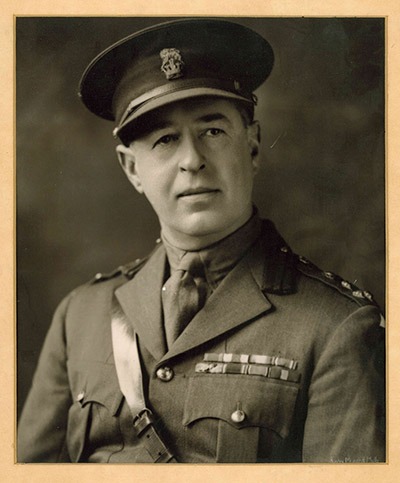
Melbourne Legacy, the first Legacy Club, was established in September 1923 by Captain Stanley Savige and a group of World War I veterans (Savige later became Lieutenant-General Sir Stanley Savige KBE, CB, DSO, MC, ED). Recognising the profound need to support the families left behind, they vowed to honour their fallen comrades by standing as mentors to their children and offering aid to their widows—a promise embodied in the simple yet powerful goal: to look after the "missus and the kids."
Early efforts focused on providing opportunities for the children to thrive. Summer camps introduced city children to the outdoors, while an annual concert showcased their talents. Meanwhile, Legatees supported widows with practical assistance—from home maintenance to financial advice—ensuring that no family lacked the support they needed. These efforts emphasised citizenship, service, and resilience, with many children of Legacy families eventually serving in World War II.
The Torch
Legacy’s iconic Torch emblem, created in 1926, symbolizes the undying flame of service and sacrifice passed on from those who gave their lives. Its laurel wreath, inverted in remembrance, honours their enduring contribution. This spirit continues in Legacy’s modern traditions, such as the Annual ANZAC Commemoration Ceremony for Students, fostering an understanding of the Anzac spirit and the importance of remembrance among future generations.
A Modern Legacy
Today, Melbourne Legacy remains a vital force for good, adapting to meet the needs of families impacted by military service in modern conflicts, including the Korean War, Vietnam, Iraq, Afghanistan, and peacekeeping operations worldwide. While the earliest Legatees were ex-servicemen and women, membership has since expanded to include anyone who shares Legacy’s ideals of service and care.
From its beginnings, Melbourne Legacy has represented hope and resilience in the face of loss. As a newspaper aptly noted in 1956, "Legacy has salvaged more happiness and achievement from the wreck and sorrow of war than perhaps any other movement of its kind in the world." Nearly a century later, that legacy of care, connection, and community endures.
Find out about the work we do to keep the promise.
More on How We Help
Who We Help
At Melbourne Legacy, we are dedicated to supporting the families of veterans.
Our Work
Melbourne Legacy has supported the families of veterans for over a century.