Ex-service organisations (ESOs) in Australia
Ex-service organisations (ESOs) in Australia: supporting veterans and their families
Ex-service organisations (ESOs) play an important role in supporting current and former Australian Defence Force personnel and their families after military service. Across Australia, these organisations provide advocacy, welfare assistance, mental health support, community connection, practical help and specialist programs that complement government services.
For many veterans, the transition from military to civilian life can bring challenges related to health, wellbeing, employment, finances, relationships and social connection. Ex-service organisations in Australia help address these challenges by offering tailored support, peer networks and practical services that recognise the unique experiences of military life and service.
Importantly, the impact of military service often extends beyond the veteran themselves. Partners, children and families can also experience long-term challenges connected to service, injury, illness or loss. This is why many ESOs work not only with veterans, but also with the broader family unit to ensure people have access to connection, advocacy and support.
In Victoria, Melbourne Legacy is a long-standing Ex-service organisation with a unique focus. Melbourne Legacy holds a unique position within the Australian ex-service sector: it is the only ESO exclusively dedicated to the families of veterans. Unlike organisations that focus primarily on the veteran’s service-related claims, Legacy focuses on the long-term stability and wellbeing of the partners and children left behind.
Together, Ex-service organisations play a critical role alongside government agencies such as the Department of Veterans’ Affairs (DVA), helping veterans and families access practical support, community care and pathways to wellbeing.
What are Ex-service organisations?
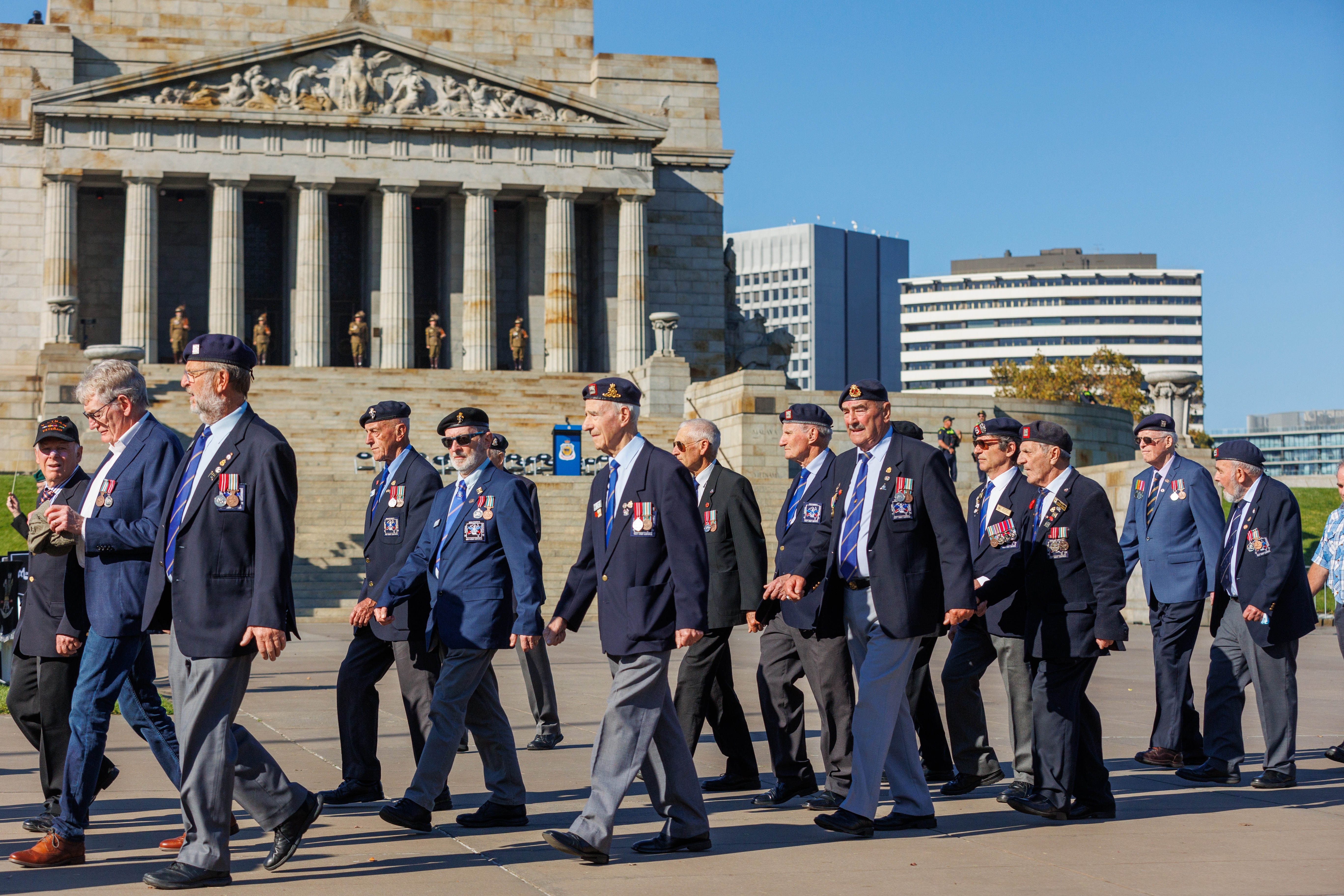
Ex-service organisations, often referred to as ESOs, are organisations established to support veterans, serving personnel who are transitioning out of Defence, former members of the Australian Defence Force and, in many cases, their families. Historically, many ESOs began as advocacy and welfare organisations created by veterans to support one another after war or military service. Today, their role has expanded to provide a broad range of specialised services and community support programs.
The purpose of Ex-service organisations is to help address the challenges that can arise during and after military service, while also providing connection, advocacy and practical assistance that complements government-funded services.
Types of services provided by Ex-service organisations
Ex-service organisations in Australia provide a wide range of support services, including:
- Advocacy and claims support
Many ESOs help veterans navigate DVA claims, compensation pathways, entitlements and appeals. This can include assistance with paperwork, understanding eligibility and connecting people with accredited advocates. - Mental health and wellbeing services
Some organisations offer counselling, peer support, trauma-informed programs, wellbeing initiatives and referrals to specialist mental health services. - Community and social programs
Isolation can be a challenge for many veterans and families. ESOs often create opportunities for connection through social groups, commemorative events, peer networks, camps, mentoring and community engagement activities. - Financial and welfare assistance
Practical support may include emergency relief, housing assistance, financial counselling, scholarships, grants or help during times of hardship. - Employment and transition support
Some ESOs focus on helping veterans transition to civilian life through career mentoring, employment pathways, education support and skills development.
Ex-service organisation differ from Government agencies such as the Department of Veterans’ Affairs by providing formal services, payments, health programs and entitlements. Ex-service organisations work alongside these services by offering more personalised support, advocacy, peer-led programs and community-based assistance that can help veterans and families navigate challenges in a practical way.
A key strength of Ex-service organisations is their ability to provide human connection. Through peer networks, social programs and community activities, ESOs help reduce isolation and foster belonging for veterans and families who may otherwise feel disconnected.
How many Ex-service organisations are in Australia?
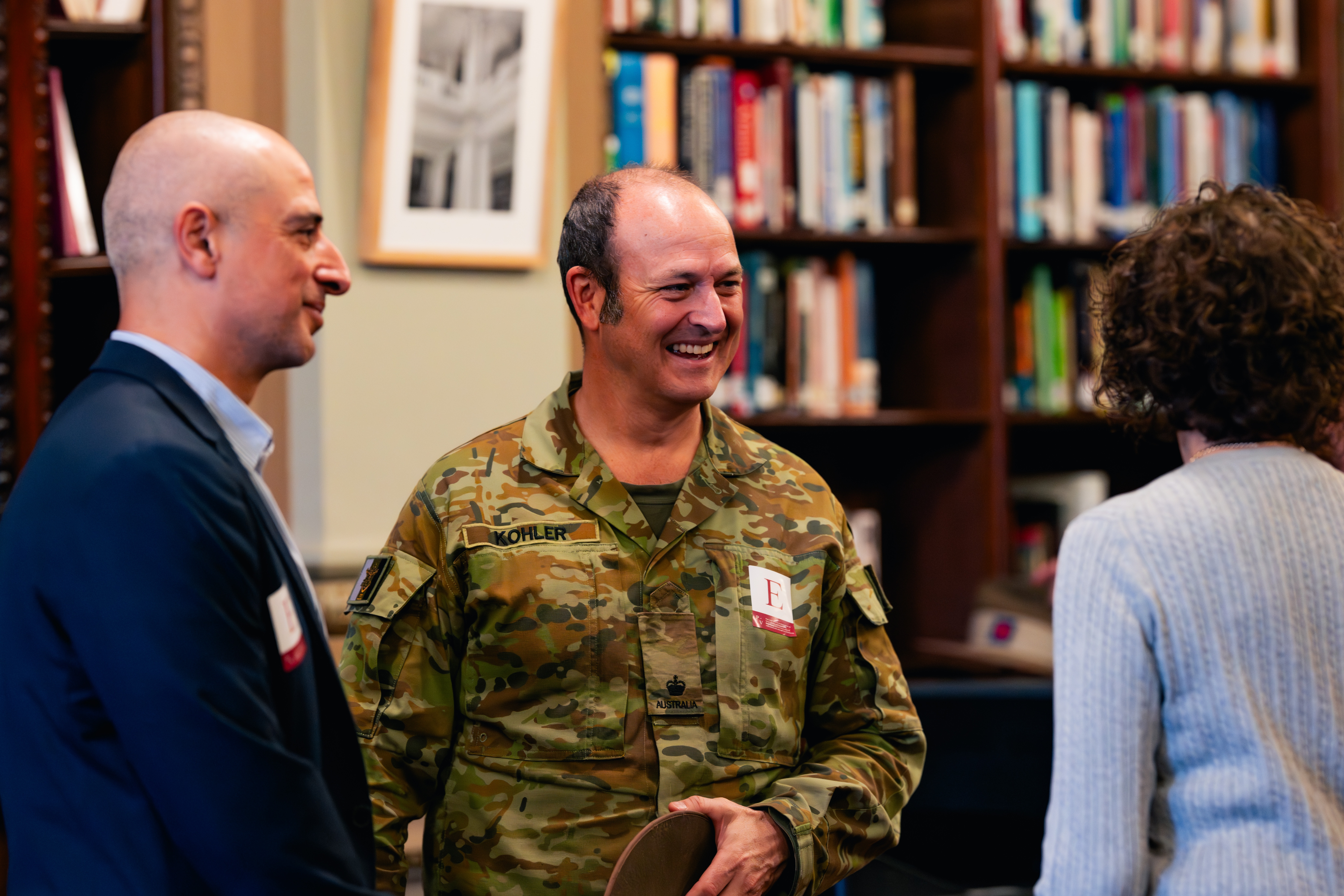
While there are hundreds of small groups, there are over 3,500 RSL sub-branches and approximately 60 major national ESOs.
navigating the sector can be complex because no two veterans or families have the same experience. Some organisations focus on:
- Veteran advocacy and compensation support
- Mental health and wellbeing
- Family support
- Employment and transition services
- Legacy and commemorative services
- Housing and welfare support
- Peer-led community programs
- Support for veterans from specific conflicts, service branches or cohorts
This diversity is a strength, but it can also create challenges. Veterans and families may find it difficult to know where to start or which organisation is best suited to their needs. There can also be overlap between services, which is why coordination, referrals and clear pathways are important across the Ex-service sector.
Legacy, alongside the Returned Services League (RSL), have been the two largest and longest standing ESOs.
Major Ex-service organisations in Australia
Australia’s ESO landscape includes a range of well-known organisations with different focus areas, such as:
- Legacy Australia – dedicated to providing support for families of veterans (link)
- Returned & Services League of Australia (RSL) – focused on veteran needs in the areas of advocacy, wellbeing, community connection and veteran services (link)
- Open Arms – mental health counselling and family support (link)
- Soldier On – employment, wellbeing and transition support (link)
- The Australian Peacekeepers & Peacemakers Veterans' Association – Veteran and peacekeeper support (link)
- Bravery Trust – financial assistance for veterans and families (link)
Each organisation has a different focus, and many work together through referrals or partnerships to help veterans and families find the right support.
This highlights the importance of clear pathways across Australia’s Ex-service sector, so veterans and families can access the right help at the right time.
Melbourne Legacy’s place in the Ex-service sector
Melbourne Legacy is part of this broader Ex-service organisation network, but with a distinct and important focus. Unlike some ESOs that work directly with veterans, Melbourne Legacy is dedicated to supporting the families of veterans whose lives have been impacted by military service.
Melbourne Legacy also works alongside Ex-service organisations that provide direct support to veterans. This includes a partnership with Bravery Trust to deliver financial assessment and guidance, as well as working closely to refer to other trusted service providers such as Open Arms and Soldier On, helping the whole family access broader support where needed.
How Melbourne Legacy can support your family
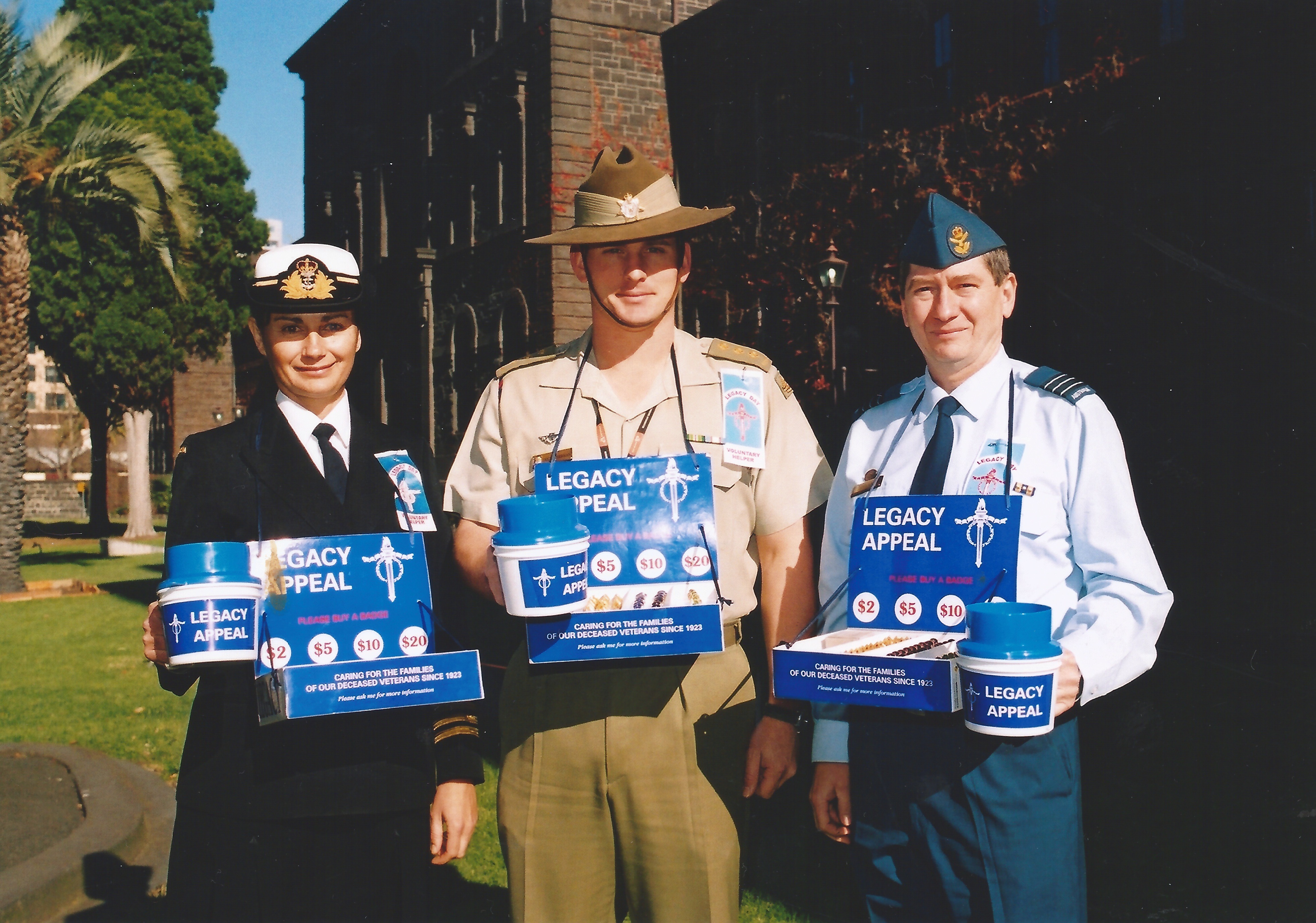
For more than a century, Melbourne Legacy has stood beside the families of veterans, providing practical support, social connection and long-term care to help families navigate life after the impacts of military service.
Melbourne Legacy’s mission is centred on supporting the dependants of veterans, particularly partners and children, recognising that military service can affect the whole family—not just the person who served.
Family support and community connection
Melbourne Legacy helps families maintain connection, stability and wellbeing through a range of support services and community programs, including:
- Providing relief through financial hardship
- Advocating for entitlements
- Assisting with children’s education, development and social connection
- Navigating referral pathways to important support services
- Social connection experiences through groups, events and outings

Supporting families as part of the broader Ex-service community
Ex-service organisations are essential in supporting veterans and their families across Australia. Melbourne Legacy’s role is unique in its focus on families; by providing care, connection and long-term support for partners and children of veterans, Melbourne Legacy helps ensure families are not left to navigate the impacts of service alone.
For families in Victoria seeking connection, community and support, Melbourne Legacy continues to play a vital role as part of Australia’s wider Ex-service organisation network.
Contact us if you are seeking support.
Share page