Mateship in Australia
Mateship in Australia - what does it really mean?
Mateship in Australia is more than a familiar phrase; it’s a defining thread woven through our country’s identity. But what is mateship in Australia, and why does it continue to resonate so strongly today?
From the battlefields of the First World War to our ongoing work of Melbourne Legacy, mateship has shaped how Australians care for one another in times of hardship and beyond.
This article answers the question “what is mateship”, as well as exploring where it comes from, and how it lives on today, particularly through the enduring work of Melbourne Legacy, the essence of mateship in action.
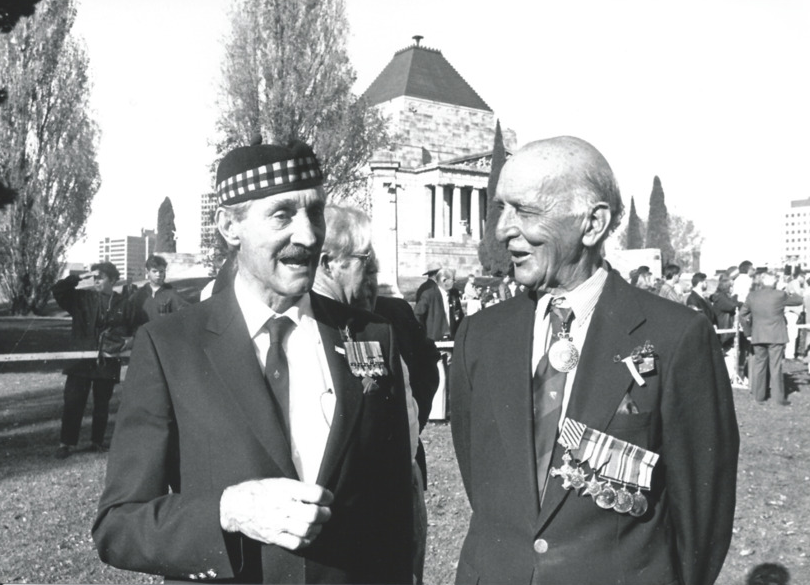
What is mateship?
At its core, mateship is about loyalty, equality, trust, and standing by others, especially during life’s most difficult moments. When people ask what mateship is, the answer goes beyond simple friendship.
Mateship reflects:
Shared experience and mutual respect
Support, even in adversity
A deep sense of responsibility for one another
It shows up in everyday actions:
Looking out for others without being asked
Putting people before self-interest
Showing up when it matters
Mateship is seen as a typical Australian value that captures the idea that no one should face hardship alone.
How did the ANZACs show mateship?
Mateship in Australia wasn’t invented, it has been forged through necessity. Our survival has often depended on cooperation in harsh and unfamiliar conditions. From early colonial times through to today, Australians have always relied on one another not just for companionship, but for our survival.
Over time, this reliance evolved into a broader cultural code shaped by:
A strong belief in fairness and equality
An anti-authoritarian spirit
Shared hardship and resilience
These early experiences laid the foundation for mateship as a defining national value, one that prioritises connection over hierarchy and loyalty over individual gain.
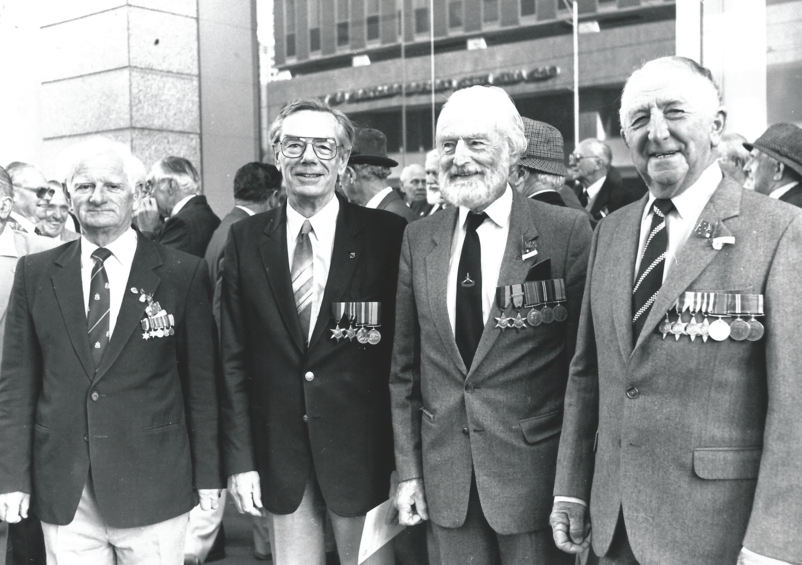
The link between mateship and the ANZAC spirit
The concept of mateship is inseparable from the legend of the Gallipoli campaign and the ANZAC spirit.
During the First World War, Australian soldiers, known as ‘Diggers’, depended on one another in extreme and often devastating conditions. Mateship became a matter of survival, built on:
Loyalty and courage
Humour in the face of adversity
Unwavering solidarity
This ‘Digger’ culture embedded mateship as a core military value, closely tied to teamwork, resilience, and sacrifice. It is a legacy that continues to define the values of the Australian Defence community today.
Why Australians value mateship today
Today, mateship remains central to our Australian identity. It reflects the enduring belief of a ‘fair go’ and the importance of community connection.
You can see mateship in everyday life:
Helping a stranger
Checking in on a friend doing it tough
Supporting your mates during times of crisis
At its heart, mateship represents trust, reliability, and a shared commitment to looking after one another.
Mateship is so core to our values as Australians, it is embedded in our literature. Esteemed Australian author Richard Flanagan, who wrote The Narrow Road to the Deep North and Question 7, includes several mateship quotes throughout his novels. The quote, "Mateship wasn't a code of friendship. It was a code of survivors.", from Question 7 is a powerful definition of mateship and how it is a life-saving bond in times of war or hardship.
Mateship in action: Melbourne Legacy
Few organisations embody mateship more powerfully than Melbourne Legacy.
Born from the deep bonds formed on the battlefield, Melbourne Legacy was established in September 1923 by Stanley Savige and a group of returned servicemen. They made a solemn promise: to care for the families of those who did not return.
This promise was simple but profound, to look after the “missus and the kids.”
Today, Melbourne Legacy continues that commitment by supporting the families of veterans through:
Emotional and social connection
Practical assistance
Long-term care and guidance, not just immediate support
Ensuring they remain supported not just in the immediate aftermath of loss, but for years to come.
A living example of mateship
Consider the experience of a veteran’s widow navigating life after loss. In the early days, support might come through regular visits, help with daily challenges, and a listening ear. Over time, that connection evolves into something deeper, a sense of belonging, community, and ongoing care.
For many families, Melbourne Legacy becomes a true support network, one that honours the service of their loved one by ensuring they are never alone.
This is mateship in action: not a moment, but a lifelong commitment.
Be part of mateship by supporting Melbourne Legacy
Mateship in Australia is not just history, it is something we can continue to practice every day.
Supporting organisations like Melbourne Legacy is another meaningful way to carry mateship forward, ensuring that the families of those who served continue to feel the strength of community behind them.
Mateship isn't just what Australians believe in, it's what we do.


Share page