2026 Anzac Day Activities
ANZAC Day and Melbourne Legacy
Every year on 25 April, Australians come together to mark Anzac Day — a time of reflection, remembrance and respect. The day honours the service and sacrifice of Australian and New Zealand servicemen and women, beginning with the landing at Gallipoli in 1915 and extending to all who have served since.
For many, Anzac Day is about attending a service or wearing a red poppy. But for others, including many families supported by Melbourne Legacy, Anzac Day carries a deeply personal meaning — one shaped by loss, resilience and ongoing support.
Emily understands this connection first hand. When she was just nine years old, her father — an Australian Army Officer — passed away following a surgical complication. In the months that followed, her family’s life changed completely. Not long after, a Legatee from Legacy knocked on their door and what followed wasn’t just support — it was connection and friendship.
Through Legacy, Emily met other children who had also lost a parent. What could have been an isolating experience became something shared, understood and, over time, healing. “We were all similar ages. All the friends I met, I call them my ‘Legacy family’ — we are lifelong friends.”

Are there Anzac Day activities near me?
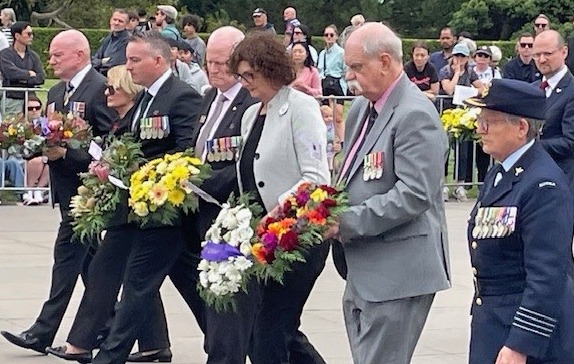
Melbourne commemorates with a wide range of opportunities to honour Anzac Day in meaningful ways. Some of the most well-known include:
The Dawn Service at the Shrine of Remembrance
The Anzac Day March through Melbourne’s CBD
Local commemorations across suburbs in Victoria
School, RSL and community-based remembrance services
If you’re planning to attend, it’s a good idea to check official websites for up-to-date times, accessibility information and any changes to events.
Melbourne Legacy representatives often attend these services, standing alongside the community in remembrance. Attending a local event is not only a way to honour those who served, but also an opportunity to reflect on the families who continue to live with the legacy of that service.
What are some Anzac Day activities for kids?
Helping children understand Anzac Day can be simple, meaningful and age appropriate.
Anzac Day is a special day when people remember soldiers who fought in wars.Anzac Day also for veterans who fought in wars and for them to remember their friends and strong mateships that were formed.
It’s also a chance to explain what “ANZAC” means in a simple way—that it brings Australians and New Zealanders together, and represents values like courage, resilience, and mateship. These values have helped shape the kind and inclusive communities we live in today.
When talking about sacrifice, you can gently help children understand that it’s not only about soldiers who didn’t return from war. Many who came home faced ongoing challenges, such as stress, financial difficulties, or feeling disconnected from others. These challenges also affect their families. Using calm and simple language can help children understand this, while focusing on respect and gratitude rather than glorifying war.
Some thoughtful activities include:
Writing a thank-you message for veterans to be shared at the Shrine of Remembrance
Reading child-friendly books about Anzac history and some Anzac specific stories for example Simpson and his Donkey
Observing a minute of silence together and explaining why its importance and how it honours veterans.
You can also use this time to talk about how organisations like Melbourne Legacy continue to support children and families of veterans today with support and help — making the meaning of Anzac Day relevant and real for younger generations.
What are some Anzac Day art activities?
Creative activities can be a powerful way to engage with remembrance, especially for children.
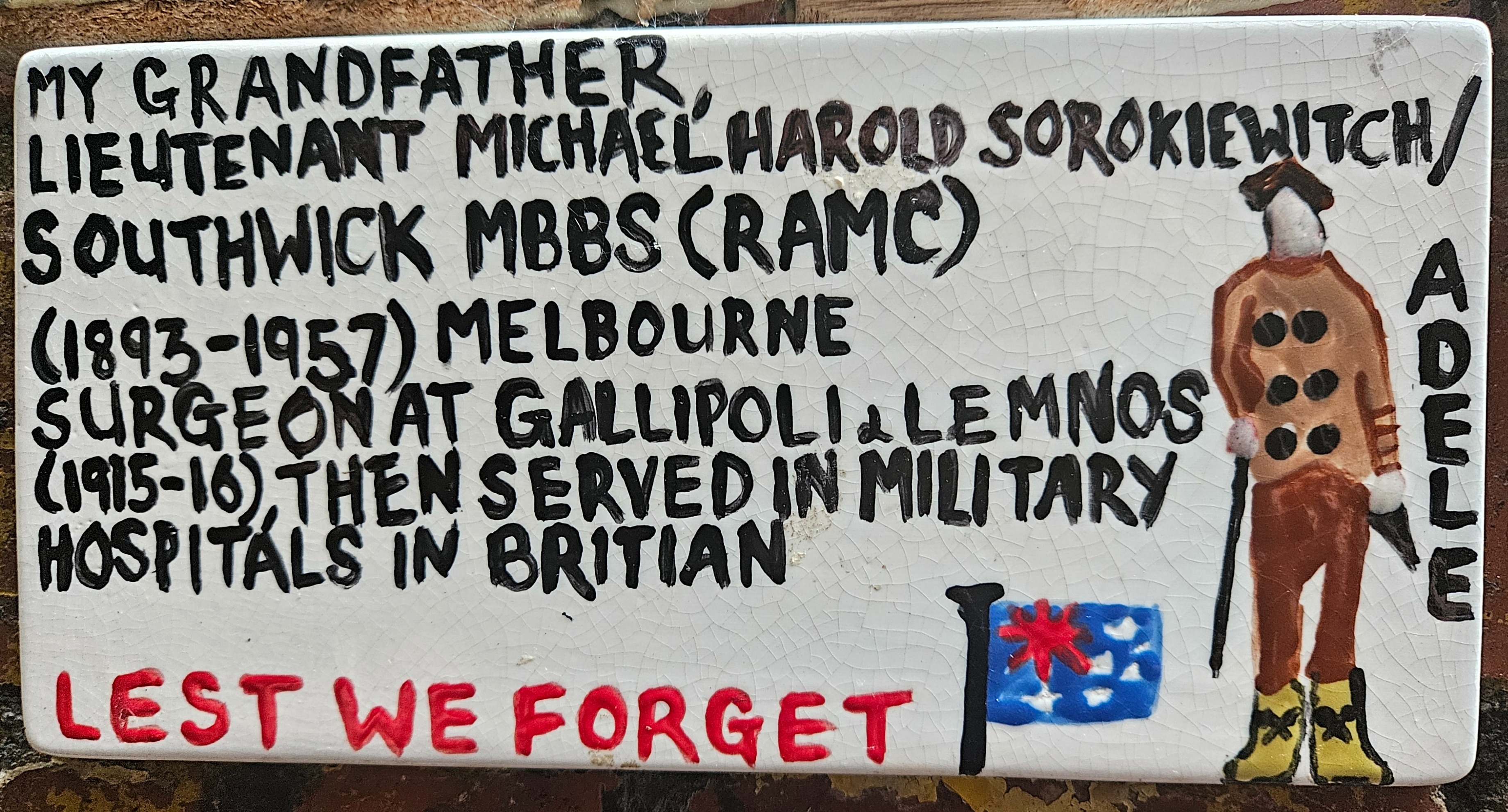
Some of the ways we can show respect on ANZAC Day is by laying wreaths at war memorials to honour those who had died in service at memorials or wearing a poppy. The bright red colour reminds us of the sacrifice made by those who served.
When creating art, it’s important to keep the focus on respect and reflection.
Age-appropriate ideas include:
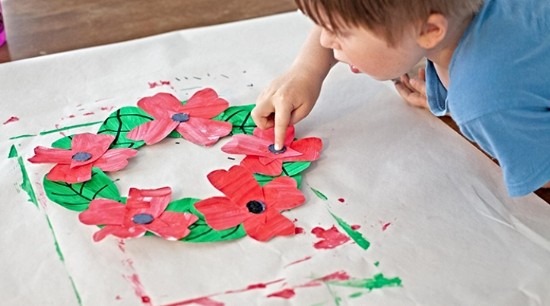
Making paper poppies
Creating your own remembrance wreath to lay at a memorial
Designing a classroom or home remembrance wall
Guidance note: Encourage children to think about why they are creating the artwork. Keep the focus on remembrance, gratitude and respect, rather than celebration or play.
What are some Anzac Day activities for toddlers?
For toddlers, Anzac Day activities should be simple, sensory and gentle. Rather than focusing on historical detail, create a calm and respectful atmosphere.
Some suitable ideas include:
Finger painting red poppies
Attending Anzac Day march and explaining who people are as they pass
Reading simple picture books about remembrance and Anzac
Melbourne Legacy is still important today because it helps the families of Australian veterans feel supported, safe and connected. In fact, Legacy currently supports hundreds of children of veterans.
How to support veterans’ families beyond Anzac Day.
While Anzac Day is an important moment of national reflection, the needs of veterans’ families continue all year round.
Partners and children of veterans may face ongoing challenges, including financial pressure, emotional stress and social isolation. Community organisations play a vital role in providing support.
Melbourne Legacy offers support, from wellbeing support and financial counselling to youth camps, family days, and education assistance. As Emily’s story shows, this support can have a lifelong impact.
Because remembrance is not only about honouring the past — it’s about standing beside those who live with its legacy today.
FAQs
On Anzac Day, people take part in a range of meaningful activities that honour the service and sacrifice of Australian and New Zealand soldiers. Like our team at Melbourne Legacy, many begin the day by attending dawn services, which are held early in the morning to reflect the time of the original Gallipoli landing. Later, communities gather to watch or participate in marches featuring veterans, current service members, and their families. A minute of silence is often observed as a mark of respect, and throughout the day, people may spend time with family sharing stories, visiting memorials, or quietly reflecting on the significance of the day.
Anzac Day is respectfully commemorated, where individuals take part by attending local ceremonies, learning more about Australia’s military history, and visiting memorial sites. Supporting organisations such as Melbourne Legacy is another meaningful way to contribute, as they provide assistance to veterans’ families. Simple acts like wearing a poppy, engaging in conversations about history, or taking time to reflect can also help honour the spirit of the day in a thoughtful and respectful way.
A well-known traditional game linked to Anzac Day is “two-up,” which has its origins among Australian soldiers during wartime and is legally played in some places on this day. However, for children and families, the focus is generally shifted away from gambling-style games toward more meaningful and age-appropriate activities. These might include creating artwork inspired by remembrance themes, listening to stories about soldiers, or participating in quiet reflection. The aim is to ensure younger generations understand the significance of the day in a respectful and educational way.
There are several well-established traditions associated with Anzac Day that help Australians and New Zealanders collectively remember those who served. Wearing red poppies is a widely recognised symbol of remembrance, while attending dawn services remains one of the most significant rituals. Ceremonial elements such as the playing of “The Last Post,” wreath-laying, and community marches are also central to the day. These traditions create a shared sense of respect and reflection, ensuring that the legacy of those who served continues to be honoured across generations.
Share page