Accessing the War Widows’ Pension in Australia
Accessing the War Widows’ Pension in Australia
Losing a partner who served their country can bring emotional, practical and financial challenges that continue for many years. In Australia, the war widows’ pension is one of the key forms of support available through the Department of Veterans’ Affairs (DVA) for eligible surviving partners of veterans.
Understanding who qualifies for a war widows’ pension, whether the war widows’ pension is means tested, and what additional benefits war widows’ may be entitled to in Australia can feel overwhelming. The system can feel complex, particularly when navigating government departments, eligibility rules and support services occurs during an already difficult time of loss.
For more than 100 years, Melbourne Legacy has stood beside war widows’ and veterans’ families, helping them access support, stay connected and navigate these challenges.
What is the War Widows’ Pension?
The war widows’ pension (also known as the War Widow/Widower’s Pension) is a tax-free fortnightly payment provided by the Australian Department of Veterans’ Affairs (DVA).
It serves as compensation for the widows, widowers, and partners of veterans whose deaths were service-related or who were former Prisoners of War. It acknowledges both the sacrifice of the veteran and the long-term impact on their family.
Unlike some other government payments, the war widows’ pension is a specific DVA entitlement and sits within the broader veterans’ support system.
How is it different from other DVA supports?
The war widows’ pension is different from other DVA assistance because it is a dedicated income support payment for eligible surviving partners.
Other DVA supports may include:
Healthcare entitlements such as the DVA Gold Card or White Card
Additional allowances and supplements
Mental health and counselling support
Access to treatment and medical services
Veteran or dependant support programs
The pension is paid on a regular basis and generally forms part of a broader package of assistance available through DVA, depending on individual circumstances and eligibility.
For many war widows’, understanding how the pension fits within the broader DVA system can be challenging, especially when there are multiple entitlements, concessions and healthcare supports to consider.
Is the war widows’ pension means tested?
No, the DVA war widows’ pension is not means tested. Unlike many other government payments, your income and assets do not affect your eligibility or the amount you receive.
However, it may affect other supplementary payments such as the Age Pension or Income Support Supplement.
A common misunderstanding is that all support for war widows’ works the same way. In reality:
Some payments are based on service-related eligibility
Some benefits may depend on individual circumstances
Additional supplements or concessions can have separate rules
DVA determines eligibility based on legislation and evidence
This is why many families seek guidance when trying to understand what they may be entitled to.
For war widows’ navigating paperwork, eligibility assessments and government processes can be difficult, and Melbourne Legacy can also provide support and guidance, helping many widows’ work through what can often feel like difficult and confusing bureaucracy.
Reducing stigma and encouraging early help-seeking
Stigma remains one of the biggest barriers to seeking help within defence and veteran communities. Cultural expectations around strength and resilience can make it difficult for individuals to acknowledge when they are struggling.
Common misconceptions include:
Seeking help is a sign of weakness
Mental health challenges should be managed alone
Support services are only for severe cases
In reality, early intervention leads to significantly better outcomes. Seeking help is a sign of strength and self-awareness—not weakness.
Encouraging open conversations within families and communities is key. When partners and children feel safe to speak up, it can often be the first step toward a veteran accessing support.
Community connection as part of veteran mental health support
A strong sense of connection and purpose plays a critical role in maintaining mental wellbeing after service.
For veterans and their families, this can include:
Community groups and peer support networks
Volunteering and mentoring opportunities
Social events and structured programs
These connections help reduce isolation and rebuild a sense of belonging.
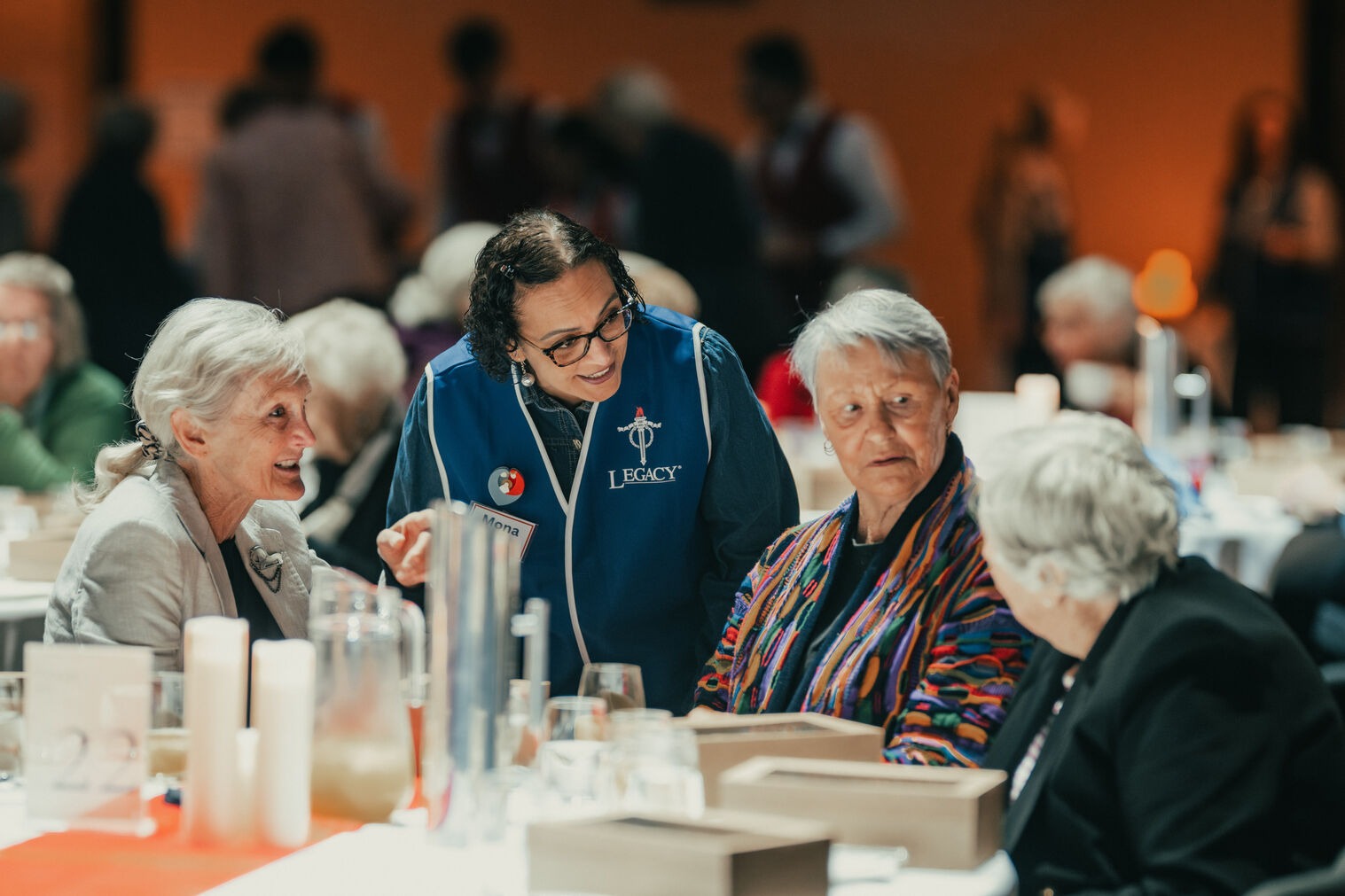
Melbourne Legacy provides opportunities for families to connect with others who understand their experiences and volunteering opportunities through our Legatee program. This shared understanding can be incredibly powerful in building resilience and reducing feelings of isolation.
How Melbourne Legacy supports families
Melbourne Legacy is dedicated to supporting the families of veterans, particularly when they are experiencing hardship, including challenges linked to mental health.
Support services include:
Family Days & Getaways
Youth Camps
Financial Counselling
Wellbeing & Case Management
Support for widows & dependants
When mental health needs are identified, Melbourne Legacy helps families access the right care pathways, ensuring they are not navigating the system alone.
Strengthening veteran mental health through community and support
Veteran mental health is not just an individual issue—it is a shared community responsibility. While clinical care is essential, long-term wellbeing is also built through strong families, supportive communities and meaningful connections.
Accessible support services, early intervention and reduced stigma all play a role in improving outcomes for veterans and their families.
Melbourne Legacy remains committed to standing beside the families of veterans across Victoria—ensuring they feel supported, understood and connected.
If you or someone you care about needs support, reaching out is an important first step. And if you’re in a position to help, your contribution can make a meaningful difference in the lives of veterans’ families.
FAQs
Veteran mental health challenges commonly include PTSD, depression, anxiety, and transition-related stress after leaving the military. Many Australian veterans face difficulties adjusting to civilian life, including employment, identity, and social connection.
Data from the Australian Institute of Health and Welfare shows that some veterans experience higher rates of mental health conditions than the general population.
Yes, the Department of Veterans' Affairs provides counselling and psychological services to support veteran mental health.
Eligible veterans can access treatment for PTSD, depression, and anxiety. Counselling is also available through organisations such as Open Arms and Soldier On.
If veterans reach out to Melbourne Legacy, we help facilitate referrals to these services and follow up to ensure they have connected with the support they need.
Australian veterans may access a range of veteran mental health and wellbeing support through the Department of Veterans' Affairs.
Entitlements can include:
Mental health care and treatment
Rehabilitation and transition support
Compensation for service-related conditions
Direct Veteran counselling through Open Arms, Soldier On and the DVA
Melbourne Legacy helps families understand these supports and assists connect veterans with the right services.
Provide practical guidance for families and communities, including early help-seeking, reducing stigma and connecting with organisations like Melbourne Legacy.
Supporting veteran mental health starts with early action, open conversations, and reducing stigma.
Families and communities can:
Encourage help-seeking
Stay connected and supportive
Link veterans with services like Open Arms – Veterans & Families Counselling and Soldier On
Melbourne Legacy plays an important role in supporting families and guiding veterans to care. If a veteran reaches out, we connect them with trusted mental health services and follow up to ensure they receive support.
Share page